Showing posts with label Daily 5. Show all posts

Wednesday, July 27, 2016

Daily 5: Variety and independence during Work on Writing


Hello and Welcome to my fourth Daily 5 blog post! I hope that you have enjoyed my previous posts about general Daily 5 set up, Read to Self, and Word Work. If you missed them, simply click the links below to catch up!

How to Get Started with Daily 5
Setting Students up for Read to Self Success
The key to an Interactive Word Work Round

Now, I want to put this out there right away and I said this in my other posts as well, I am in NO way affiliated with "the sisters" or the Daily 5 on any official platform. I think that the sisters are FANTASTIC and I highly recommend buying the most current Daily 5 book. But me? I am simply a first grade teacher who utilizes the Daily 5 framework and I have adapted it to meet my own needs.

This post about Work on Writing is the most challenging for me to write. It is definitely the area in which I struggle the most in my own teaching and in my Daily 5 routines.

My literacy instruction time is broken up throughout our school day. Last year, my students had 20 minutes of Work on Writing time everyday after lunch.

Ideally, I'd love to have time for Work on Writing independent journal writing every day, but I'm sure that you all understand the struggle to it in everything that you want students to learn. To accommodate handwriting instruction, I structure our work on writing time a little bit differently for each day of the week. Here is what our schedule looks like:

Monday: Independent Journal Writing (free writing)
Tuesday: Handwriting Practice using Handwriting without Tears curriculum
Wednesday: Independent Journal Writing (free writing)
Thursday: Handwriting Practice using Handwriting without Tears curriculum
Friday: Portfolio Writing (responding to a writing prompt)

We have a separate block of time in the afternoon for Writers Workshop. During writers workshop, we focus on more "project-based" writing including narratives, informational writing, opinion writing, how-to books, poetry, etc. For my students, work on writing tends to focus more on conventions, ideas, and organization.

Monday/Wednesday Work on Writing Independent Journal Writing:

I will begin by explaining how I set up Work on Writing at the beginning of the school year. Over the last couple of years, my first grade team has experimented with different types of paper/notebook options for work on writing. We decided that it was helpful to have students write in a notebook for easy organization purposes. We also soon discovered that our little first graders struggle to organize their writing/illustrations in a standard wide-ruled notebook. At the beginning of the year especially, students are not able to fit their handwriting in the small lines. They also struggle with how much of the page to use for their pictures, where to begin writing, etc. When we spoke with the second grade teachers at our school, they had found a wonderful solution to that problem. The second grade team had ordered a composition notebook for each student with handwriting lines on the bottom half of the page and a space for an illustration at the top. We have ordered these composition notebooks as part of our budget for the last two years and I LOVE them! Here is a link to the notebooks on Office Depot's website. Since we order through our school district, we can use the Business Office Depot prices and the notebooks are only $0.96 each on the business site. I highly recommend looking into them!
Just like with Read to Self, I begin with an I-Chart of our Work on Writing expectations. The Sisters recommend making the anchor chart with your class, but I have found it to be cumbersome and time-consuming. I typically have the chart prepared ahead of time and I briefly go through the expectations with my class.

Unfortunately, I do not have a picture of my Work on Writing I-Chart at this time. It is currently in my classroom, which is being cleaned at the moment. I will include a picture of it as soon as I can, but here is a list of my student expectations that I include.

- Get started right away
- Pick what you write about
- Stay in one spot
- Write the whole time
- Underline tricky words

The biggest part of beginning Work on Writing is modeling the writing process and building writing stamina. I model the writing process out loud for them on the carpet. I begin by putting the date at the top of the page and modeling how I sound out words as I write. One of the key factors in guiding students to be independent writers is encouraging inventive spelling. I tell students to "underline tricky words" in their writing that they would like to revisit later and keep writing. At the beginning of the year, I focus on spacing, punctuation, and correct letter formation in my mini lessons so I model this thought process out loud as well.

Then, I set them loose. Students are always sooooo excited to write in their notebooks for the first time.

On our first day of Work on Writing, we write for 2 minutes (using a digital timer on the projector) and then we regroup on the carpet to do a "check in." I go through all of the expectations on the I-Chart and students give a thumbs up, thumbs to the side, or a thumbs down for each expectation based on how they think they did. Then we go and do two more minutes of writing.


To track our writing stamina, we fill in our stamina meter after each successful work on writing session. Grab my stamina meter freebie by clicking this link!

During work on writing, I check in with students about their writing. We discuss their writing and I provide instruction on conventions, organization, and ideas. One of the things that I struggled with during my first few years of Daily 5 was feeling like I wasn't getting to students as often as I wanted to give them individualized instruction. Last year, I started had a realization that changed my work on writing time significantly. I realized that many of the skills that I was teaching during work on writing were very basic. I started using 3rd grade writing mentors in my classroom. Beginning in January, I invited a few of my former students back into my classroom during our work on writing time. I chose students who were strong writers and leaders. These third graders chose to give up their lunch recess twice a week to come in and help my young writers.


I gave each third grader a Writing Mentor Folder with a writing checklist and a few other resources (sight word list, blends and digraphs chart, etc - There are MANY resources available out there - I think I found these for free using Pinterest). When the third graders came in, they grabbed their folder, a pencil, and a timer. They called over the next student on their list and had the student do some writing with them. After about 5 minutes of supporting that student with their writing (focusing mainly on basic conventions and generating ideas/details), they took a closer look at the writing with the student. Together, they set a writing goal that the student would continue to work on. Then the third grade mentor wrote the goal on the paper next to that student's name.


The writing mentor process was wonderful!!! I absolutely loved it and so did my students. These third graders were a wonderful resource for me and my little firsties. Of course, choosing mentors who are strong leaders is the key! I highly recommend a process like this for writing support in your classroom!

Another way that I spiced up our Work on Writing time was opening up our writing center. Every two weeks, students got a turn to visit the writing center, where they got to write letters, postcards, short stories, lists, etc. Here's a previous post that I wrote when I put together my writing center. Occasionally, I also included some of Cara Carroll's Work on Writing activities at my writing center. I LOVE them!

Tuesday/Thursday: Handwriting Without Tears

My school district recently adopted the Handwriting Without Tears curriculum. Unfortunately, I really only have time to complete it twice a week, but I LOVE the way that handwriting is taught using this curriculum. Please click this link to learn more about Handwriting Without Tears.

Friday: Portfolio Writing

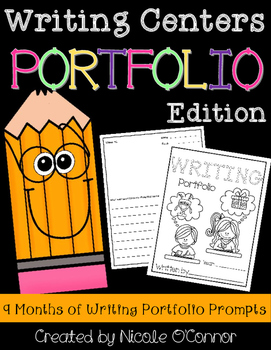
My favorite part of Work on Writing is our Friday Writing Portfolio time. Each week, my students respond to a writing prompt. My students keep these portfolio writing samples in a binder, which is very exciting for a first grader! They take this writing very seriously and it is a wonderful assessment tool for me.


Here is a link to a previous post that I wrote about our writing portfolios. It will tell you everything that you need to know about setting them up in your classroom!

Throughout the year, we celebrate students progress through a "portfolio showcase." Students show the class their first writing sample, followed by their most current sample. Students comment on improvements that they see in the writing.


For a direct link to my Writing Center: Yearlong Writing Portfolio, click here.

Well, that's all I have for you about Work on Writing! I hope that you found this post to be helpful. Work on Writing is definitely still a work in progress for me. Please feel free to comment with any helpful tips that you have for fostering independent writing in your classroom!

Stay tuned for my next Daily 5 post... up next is Listen to Reading!

Thursday, July 16, 2015

Daily 5: The key to an interactive Word Work Round


Welcome to my third post in my blog series about Daily 5. I hope that you enjoyed my other posts about how to get set up before the year begins and Read to Self. If you missed them, click these links to get caught up - How to Get Started with Daily 5 and Daily 5: Setting students up for Read to Self success.

Now, I want to put this out there right away and I said this in my other posts as well, I am in NO way affiliated with "the sisters" or the Daily 5 on any official platform. I think that the sisters are FANTASTIC and I highly recommend buying the most current Daily 5 book. But me? I am simply a first grade teacher who utilizes the Daily 5 framework and I have adapted it to meet my own needs.


Okay, today I am writing about my ABSOLUTE FAVORITE part of Daily 5. It is definitely my students' favorite as well. I have ALMOST ZERO behavior/management issues during this Daily 5 round and I attribute that to the interactive (As Fancy Nancy would say.... Interactive is a fancy word for "FUN.") nature of word work. For me, setting up Word Work is much simpler than other rounds of Daily 5, especially in the first few weeks of school.

I begin word work on the Monday of the second week of school. I begin by introducing our Word Work I-Chart.


After introducing the I-Chart, I like to introduce our first week of spelling words. Our first grade team has developed our own spelling lists, which consist of 7 word family words and 5 sight words each week. I have them available for FREE on Teachers Pay Teachers if you are interested in grabbing them- each week includes a spelling list to take home, spelling homework, a few practice pages, and a set of word list cards for the classroom. This is 27 weeks of spelling... We do a few review weeks throughout the year or have themed word lists around holidays which are not included in these sets... that's why it's not quite a full school years worth of spelling.

From these sets, I have word cards that my students use during word work (on the left of the photo). These word cards really come in handy because I allow students to choose a spot in the classroom for word work. They can bring their words with them anywhere! It is especially handy when you have classroom volunteers or paraprofessionals who work with students. I can easily send our word list with them as well. I begin by showing my students how the word lists are set up and the difference between word family words and sight words. Depending on the word work activity, I sometimes ask students to use the sight words and sometimes the word family words. Most of the time, students are allowed to choose the words from the card that they would like to work on that day.

At the beginning of the year, I like to build a nice base of paper/pencil activities that the students become familiar with. I get the activities from this AMAZING FREE RESOURCE.... I like to develop the paper/pencil tasks first because the whole class can work on them at the same time. 


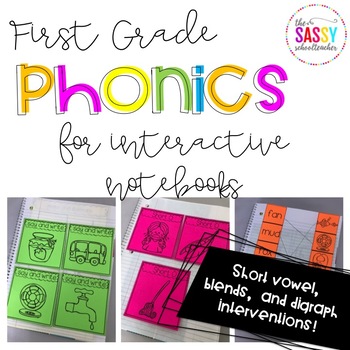
The other more paper-based activity that we start in the first few weeks of word work is interactive notebooks for phonics and word sorts. My students have a very general "reading notebook" where we put all of their phonics interactive notebook pages, reading response, etc. We study short vowels at the beginning of the year so I use The Sassy School Teacher's First Grade Phonics for Interactive Notebooks. Highly recommend!


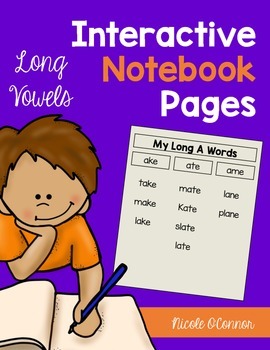
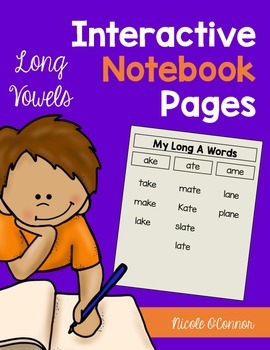
I created my own Interactive Notebook pages for Long Vowels, which you can grab here.


For the first few days of work work, we continue to review the I-Chart and I have the students sit in their desks. I tell my class that when they show me that they know how to demonstrate the word work expectations, they will be allowed to choose a spot in the classroom. Usually after about a week or so, I allow students to start choosing spots- they can use clip boards and we use the arm length rule... They shouldn't be within arm length of another student in their chosen spots.

After a solid month of word work, when the students are comfortable and independent with about 5-6 of the paper/pencil word work activities, I introduce our WORD WORK BOARD. It is really important that students are familiar with the initial word work activities because this is also when I start pulling reading groups during word work so I am not as available to help with questions. From this point out, I usually introduce one new word work activity each week and the rest of the activities are things that my class is familiar with.


This word work board allows me to differentiate my word work for different leveled reading groups. It also allows me to create more interactive, hands on activities because only about 4-5 students complete each center each day. Therefore, I only need five sets of beads or stamps, etc. Students get to each word work activity throughout the week. Here's how it works. Every student in my class is doing word work at the same time, but they are doing different activities, depending on their assigned group. Each student in my class is assigned a color group (you'll notice on the far right, there is a little poster with each student's name and their color). 

The left side of the poster shows the day of the week. The top row shows the different work work options for the week. When students want to find their word work, they put their finger on the day of the week and follow it over to their color. From the color, they follow it up to the word work activity for the day. After 2-3 days of practice, students are good to go! The activities at the top of the poster are on Velcro so I can easily trade them out each week. I also have a few blank cards that I can write on with dry erase when I create a few center "on the fly." If you want to copy of these header cards, you can grab them here... they are definitely a work in progress for me since I am always adding new centers, but at least it's a start for you!

I have all of the word work activities sitting on the top of one of my classroom library book shelves. I can get all of the activities ready on Monday and then I am set for the week.


Okay, so that answers the question of how I set up word work in my classroom. Now comes the fun part... the actual activities!!!

Here is a snapshot of a few of our favorite activities. I blogged about each of these activities a few months ago so click this link to read about them : WILD ABOUT WORD WORK! LOTS of freebies here!
Okay, here I'm just going to start posting some links to activities that I use for word work!

I recently began making sets of literacy centers for each month of the school year. Here's a link to my September centers!


Sorting words in Pocket Charts: My students complete this as a small group!


Build a Sentence Word Work.... My students LOVE this one!


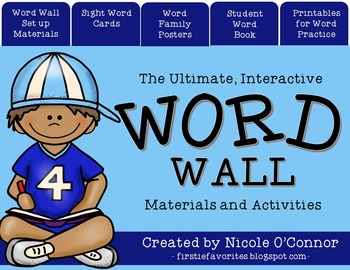
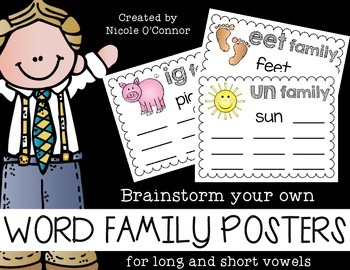
One element that I am adding to my word work this year is an interactive word wall... This is a very new creation for me and I don't even have it set up in my classroom yet. I cannot wait to use it this year!! The word wall will have student names and our sight words that we learn throughout the year (our students are required to spell the First 100 Fry words). Along with the sight words, I am going to include some Word Family Posters that I am going to have students create with me. I will also have additional activities that students will complete at the word wall for one of our word work centers. Here's a sneak peek at my resources.

The word wall letter headings:


The word family posters:


Each time I introduce a new word family. I plan to have my students help me brainstorm word family books to add to the word wall. I'm going to laminate these posters so that I can write on them with Vis-a-vis or dry erase markers.

Grab my word wall materials here: Ultimate Interactive Word Wall Materials and Activities


The word family posters can be bought separately from the word wall complete set by clicking this link.


I also use Cara Carroll's Rock Your Fluency materials as part of my word work centers!!


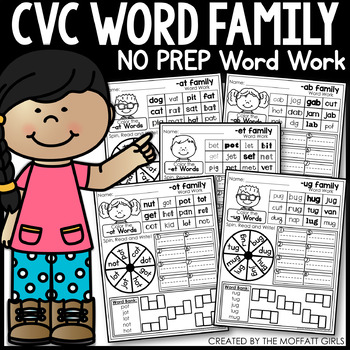
The Moffatt Girls' CVC Word Family Word Work.


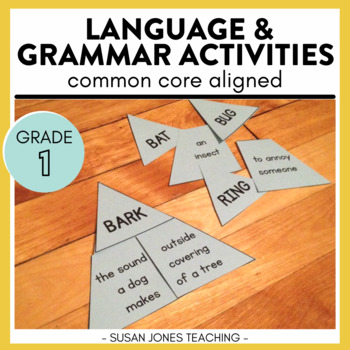
Susan Jones' First Grade Grammar Activities and Printables!! So many fun, interactive activities in here!


Love of First's Noun and Verb Sort Freebie!


Okay, I know that I just totally overloaded you with links but I highly recommend checking them out. 

Thank you for stopping by to read about how I set up word work in my classroom. I hope that you found some good ideas to take with you!

If you have word work activities to share, please post a link to your own blog post or TPT products in the comments section of this post. I'd love for it to be a collaborative collection of ideas from myself and other teacher readers!!

On to the next post: Work on Writing!

Saturday, February 7, 2015

My Love/Hate Relationship with Long Vowels

Okay, for my topic of the day... a huge focus in my first grade classroom right now is LONG VOWELS.... oh the bane of my existence. We spend the first half of the year learning about the short vowel sounds and by Christmas, I'm always very pleased with my students' progress. I feel like they "get it"... even my intervention students are on the right track with short vowels. Then we start to throw long vowels into the mix and it is what I like to call "intellectual chaos." Ahhhh! This year, I am definitely more prepared to teach these long vowels than I have in the past and I've made some great, interactive activities to get my kiddos up to speed with these tricky vowel patterns!! Right now, we are focusing on Long A, but all of these activities have materials for ALL of the long vowels! My favorite thing about these activities is that they are NOT seasonal. I can pull these out at any time of the year for students to use! Take a look at my favorite long vowel teaching tools! LOTS of FREEBIES here!

Also, in the process of writing this blog post, I realized how MANY long vowel resources I have! If you want to take a peek at all of them in one place, use the my TPT store custom category "Long Vowel Resources." The freebies are available in that category as well!


To help students make a more concrete connection with "magic e," I like to begin the study of each long vowel by taking a look at how Magic E changes the way that we say many of our favorite short vowel words. I make a "Magic E" wand. As a whole group, students read short vowel words on a poster. Then, we add Magic E and see how the word changes! Students LOVE this activity and it is soooo simple to prep! I revisit this poster with my lower guided reading groups. My proficient and advanced kiddos seem to "get it" after the first exposure!

I also have sets of cards that I print back to back with a short vowel word on one side and a long vowel word on the back!

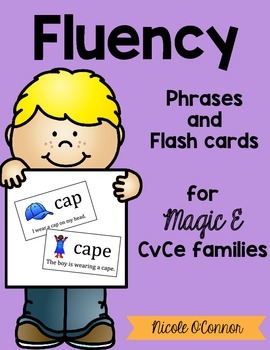
Grab a set of the cards here, Magic E Flash Cards and Fluency Phrases!


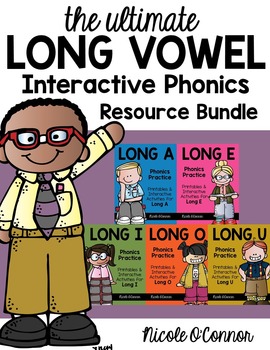
This Long Vowel Interactive Phonics Resource Bundle has made the BIGGEST difference in my long vowel instruction. These activities are easy to prep and effective for my little learners! I like to have a balance between paper/pencil tasks and interactive resources. This fits my needs exactly!

Let's begin with some of the paper/pencil activities! We begin our day in the classroom by completing a whole group phonics lesson, followed by a paper/pencil phonics practice page! While students are working on the phonics skill that we focused on in the mini lesson, I take the opportunity to pull a reading group! Here is a peek at some of the paper/pencil activities that my students complete for each long vowel!


Following our seat work round, students complete a round of word work within the structure of Daily 5. During this time, my students practice word family words as well as sight words. These interactive practice activities are perfect for centers or Daily 5 word work!

LONG VOWEL PUZZLES: 


LONG VOWEL CONNECT FOUR:


LONG VOWEL MEMORY:


Grab LONG A MEMORY GAME for FREE by clicking this link!

LONG VOWEL WORD SORT CARDS:


I use these cards in my big pocket chart for whole group practice. I also use them in my guided reading groups as a warm up for my kiddos! They are the perfect size and I've found sooooo many ways to use them in my instruction! (These are also sold separate from the Long Vowel Resource Bundle.... in my Long Vowel Word Sort Cards for Pocket Charts & More!)


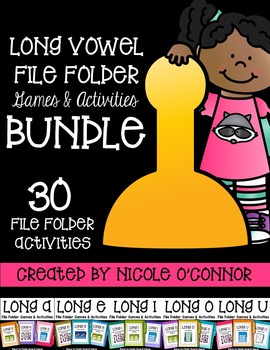
My newest addition to my long vowel word work is Long Vowel File Folder Games and Activities! This photo features two of my favorite activities for long a, but my bundle includes 30 different file folder games and activities!

One of my favorites is a long/short vowel sort for each vowel sound! It is simple and interactive!


My other favorite is a sentence building activity! Students use word cards to complete sentences!


The other file folder activities include a Board Game, ABC ordering practice, Spin a Word (real/nonsense word practice), and a Bingo Game! Grab a FREE copy of my Long A Board Game here!

Grab the entire set of Long Vowel File Folder Games and Activities by clicking this link or the photo below!


These have been a huge hit with my firsties and add some variety to the word work that we do each week!

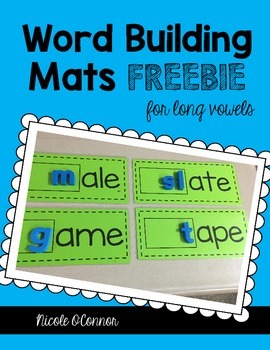
This is my FAVORITE new word work center as part of my Daily 5 rounds!! Students build long vowel words on these simple mats using magnetic letters!


I printed them on thick, colorful cardstock for some more visual interest!


Each long vowel set in my freebie has 6 building mats for different word families!


For word work, I simply put the laminated mats and magnetic letters in a gallon Ziploc. I keep my sets in a small bin! Students can just grab and go!


Students record their long vowel words on a small recording sheet. I love this part because it holds them accountable at their center and it gives them great practice in writing their words!


This little firstie rocked her word building word work!! What a darling!

If you are interested in downloading these FOR FREE from my TpT store, click this link or the photo below! Please help me out by leaving some feedback in my store if you do choose to download this fun freebie!


If you have read some of my other recent posts, you know about my new LOVE of interactive notebooks. I downloaded some FABULOUS interactive notebooks pages from The Sassy School Teacher to practice short vowels, blends, and digraphs. I've branched out and started making my own long vowel practice pages!

Here's the page that some of my students completed this week! Long A Words Brainstorming! Students glued three long a word family headings at the top of their pages. They brainstormed as many words and they could under those headings. It is a great challenge for them! We talked about using our alphabet on the wall to see if we could add those letters to the beginning of the word families. We had great discussions about real and nonsense words! My teacher heart was happy as I saw their excitement in each word that they thought of!


Now, the above brainstorming activity was a perfect challenge for my students that are "at grade level." Next week, I'm going to do a similar activity with my intervention firsties! Instead of them brainstorming the words themselves, they are going to sort existing words under each heading. See my example below!


This is an idea that I took partially from our Title 1 Reading teacher. She has students sort word family words and then read the words down the columns. After practicing reading DOWN each column, she has her students read ACROSS the notebook page. Then, the students are switching between word families as they read and it is a lot more challenging! Perfect for helping to build that fluency and automaticity!!!

Two other forms of practice that we are going to use are...

Word/Picture Matching! (for my intervention students)


Fluency strips! (for all of my students)

Poor color choice on this paper... I was running out at home for my examples! Oops!
If you are interested in using these Interactive Notebook Pages for Long Vowels, please click the link to my TpT store or click the photo below!


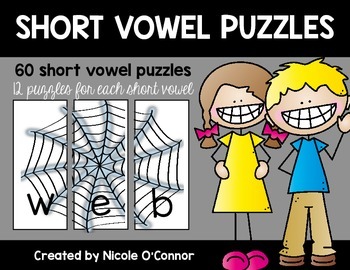
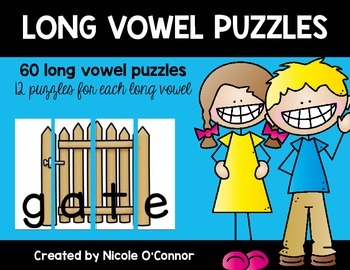
My students LOVE anything that can be referred to as a PUZZLE! There is something so naturally engaging about puzzles! I use these for my early finishers! So fun!! Click this link to grab puzzles for each long vowel!


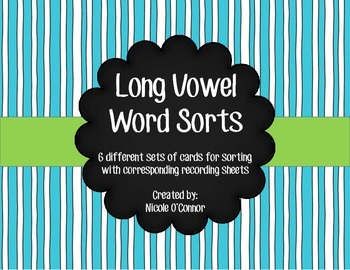
My final long vowel teaching tool that I have been using is my Long Vowel Word Sorts!! I use this as a small group activity in my reading groups and I also put it in my word work centers for Daily 5!

Students sort word family words under headings and then record them on a simple recording sheet!


You can grab these in my TpT store as well: Long Vowel Word Sorts!


I hope that you find this little post helpful in your teaching of long vowels!! Like I said... these activities have helped to cure my hate for long vowels... and I'm NOT saying that I LOVE them now, but I do feel more prepared to teach them!