Showing posts with label nonfiction. Show all posts

Monday, February 17, 2014

All About Books: ROUND ONE!

Yet another day off from school today... this time due to snow as opposed to sub-zero temperatures. Agh.

I thought I would take some time to post about the All About Books that my students worked on in the fall. It was our first experience with nonfiction writing and we read TONS of non-fiction books about whales. I found a lot of my ideas from this fabulous post from The Inspired Apple. I sent an email out to the rest of the elementary staff requesting nonfiction books about whales or the ocean and was blessed with many responses and lots of great materials. One fourth grade teacher had THE BEST NONFICTION WHALE BOOK EVER, but I cannot find it anywhere online to purchase it for myself. I found some great Youtube videos about whales as well... and after many requests to sing "Baby Beluga," I broke down and found a video for that as well!
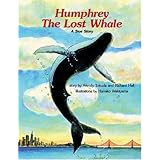
To begin the unit, I read the text, Humphrey, The Lost Whale: the story of a humpback whale who got lost and started to swim up the Sacramento River. The kiddos were enthralled!!!

After reading the story, I displayed this poster at the front of the room and we spent a day just asking questions about whales... things we were wondering about. As students asked questions, I wrote them down on a post-it and let them stick it on the poster.

After a day of just asking questions, we went to our set of nonfiction whale texts. We talked about how to look up specific information using the table of contents. As we came across the answers to our questions, I used a different colored post-it to write the answer. Students came up and connected the question to the answer.
After our questions were answered (it took about a week! we had LOTS of questions!) we began to organized our questions by category. I created this chart to organize our post-its on. Our questions fell into these categories
  • I wonder how whales eat and drink.
  • I wonder how whales move in the water.
  • I wonder how whales survive in the ocean.
  • I wonder what whales can do.
  • Other facts about whales.
Students moved the post-its from our original poster onto the chart. We talked about how to organize our information.

After organizing our information, we began writing All About Books as a whole group. Each day, we picked a category and wrote a sentence or two about that topic. I wrote our sentences on the board each day and students copied them into their ALL ABOUT WHALES BOOK (pick up a free copy here).


Here is a look at part of one student's All About Whales book:


 All About Books gave us a great opportunity to discuss text features in non-fiction writing. Every day, we added to our table of contents. We always made sure that we used the same language on our table of contents that we used in our headings.
 
 
One key element of informational writing is that our pictures match the text!
 
 
 On the last page in our books, we practicing labeling the parts of a whale's body.
 

This unit took place in November and we are going to revisit informational writing and All About books in March. During our next round of All About writing, students are going to be doing more independent research and writing in small groups. Not sure how I am going to organize this yet... but I need to get going on it!


Wednesday, February 5, 2014

How To Build A Snowman

Earlier this school year, we dove head first into informational text when we studied whales and wrote an All About Whales text as a class. We are currently in the middle of our second go-around with informational writing. This time, we are writing HOW TO BOOKS and what do Wisconsinite children know better than HOW TO BUILD A SNOWMAN??

When we studied whales, we started to talk about nonfiction text features like headings, table of contents, labels, and key words. We put up little posters of those text features on one of our bulletin boards and the students refer to them frequently when we read texts in class. They had a field day referring to our posters as we read some "how-to" mentor texts this week. Here is a peek at our Text Features bulletin board and a LINK TO THE POSTERS. Freebie from Deana Kahlenberg of Primary Punch! They are fabulous!

Day One of How-To Writing:
 
We read several mentor texts for how-to books and made this anchor chart. We discussed the use of transition words and then went back in our mentor texts to find as many as we could!

Day Two:
After reading another mentor text about how to make a bird feeder, I told the kiddos that we would be making our own how-to books about How to Build a Snowman. Wow, were they excited!! I paired the kids up on the carpet and they brainstormed all of the materials that someone would need to build a snowman. After a few minutes, students shared their materials and helped to create the materials page for our plans. (Students were very adamant that all snowmen need boots... proof of their enthusiasm to CREATE... although it seemed to me that they were grasping at straws to add to our poster)

Day Three:
Beginning to write the steps of our how-to book, focusing on details and transition words!

Day Four:
Finished writing the steps! We went back through our writing to check for capital letters, periods, commas, and transition words in each sentence.

Days Five - Finish

Now, we are moving onto the students re-writing our shared text in their own How to Build a Snowman mini-book. We will be working on creating pictures that match our words. We will also put labels on the pages. My students are always asking if they get to "take it home" for just about everything that we do in class and they can't wait to re-write and illustrate their own how-to book! Here's a blank copy of our HOW TO BUILD A SNOWMAN book. I can't wait to see their finished products!!